Internet Capital Markets: Best Stunning Beginner Guide
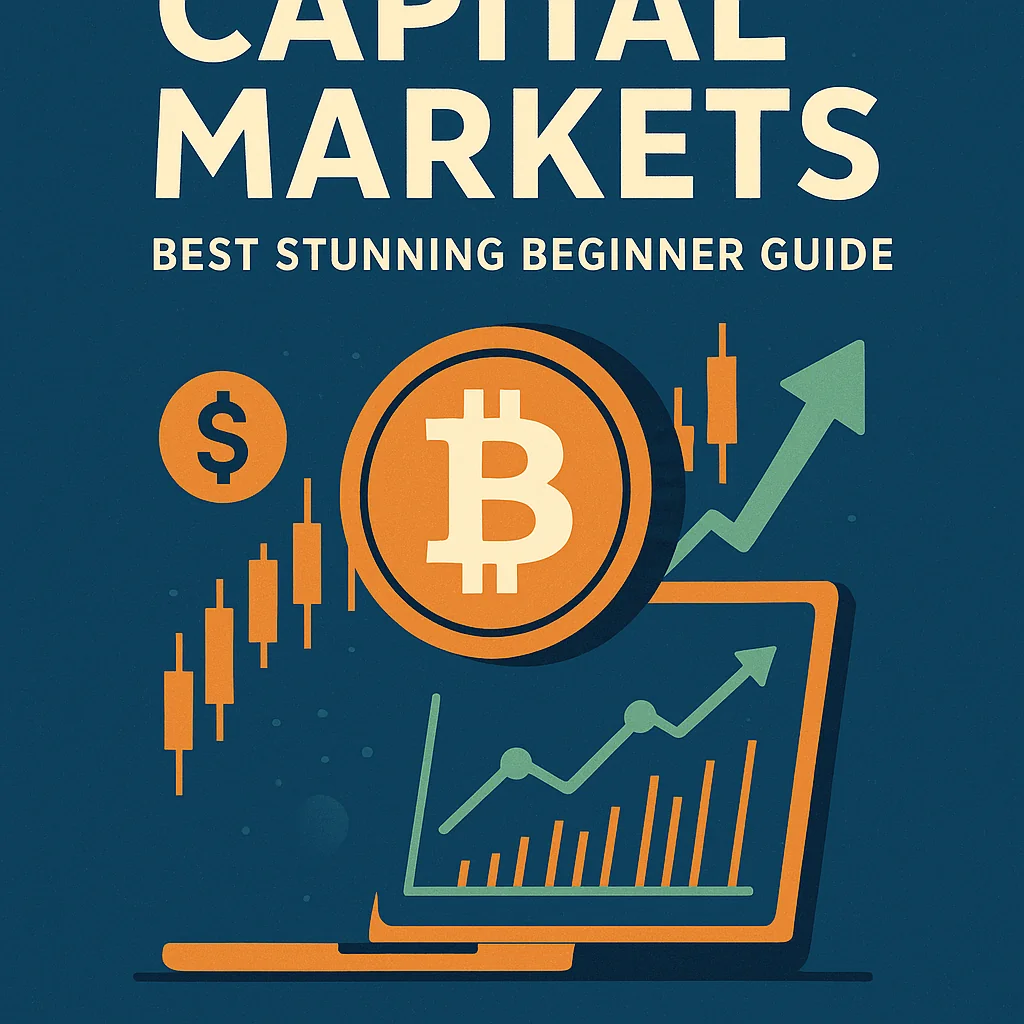
Internet Capital Markets (ICM) describe how capital raising, trading, and investing move from traditional desks and branches onto digital platforms. In simple terms, ICM is the set of online systems that link investors with companies, projects, and financial products through the internet.
Instead of dealing only with banks and stock exchanges, users can access funding, trade assets, and manage portfolios through websites, apps, and even decentralized networks. This shift changes who can raise money, who can invest, and how fast deals happen.
Core Idea Behind Internet Capital Markets
Traditional capital markets rely on central intermediaries such as banks, brokers, and exchanges. Internet Capital Markets still use many of these players, but they place digital platforms at the center. These platforms automate processes, reduce paperwork, and often reach a much wider audience.
Picture a small clean-energy startup. In the past, it had to pitch to a handful of venture funds or pursue an IPO years later. In an ICM setting, it can pitch thousands of potential investors online through equity crowdfunding, token offerings, or private placement portals. The structure of capital access changes, even if the basic goal—raising funds—stays the same.
Key Components of Internet Capital Markets
Internet Capital Markets cover a broad set of platforms and technologies. The pieces below appear in different mixes across countries and regulations, but the logic is similar: move capital activities online and make them more accessible.
1. Digital Issuance Platforms
Digital issuance platforms help companies create, manage, and sell financial instruments online. These may include shares, bonds, security tokens, or revenue-sharing instruments.
For example, a real estate firm can issue digital tokens backed by an apartment building on a licensed platform. Investors from different regions can buy fractions of these tokens, receive rent-based payouts, and trade their holdings later on secondary markets.
2. Online Trading and Investment Platforms
These are the more familiar face of ICM. Online brokers, stock trading apps, and multi-asset platforms give retail and professional investors access to stocks, ETFs, bonds, derivatives, and sometimes crypto-assets.
The core change is speed and reach. An individual investor can open an account, pass identity checks, and start trading listed companies within minutes. This access used to require in-person meetings, phone calls, or physical forms.
3. Crowdfunding and Alternative Finance Portals
Crowdfunding platforms sit at the overlap of technology and finance. They match many small investors with entrepreneurs, real estate projects, and small businesses.
Internet Capital Markets include several crowdfunding models:
- Equity crowdfunding, where investors receive shares or other ownership units.
- Debt crowdfunding (peer-to-peer lending), where investors receive interest payments.
- Revenue-share or profit-share models, where investors receive a slice of future income.
These models spread risk across many backers and make it easier for early projects to raise their first serious capital without a bank loan or venture fund.
4. Tokenization and Digital Securities
Tokenization means converting rights to an asset into digital tokens recorded on a ledger, often a blockchain. In Internet Capital Markets, this can apply to equity, bonds, real estate, commodities, and even royalties.
A single office building, for instance, can be broken into 100,000 digital shares. An investor can buy 100 of them instead of needing enough money for half a floor. Trades settle quickly, and ownership records stay transparent and difficult to alter.
5. Decentralized Finance (DeFi)
DeFi platforms sit at the most experimental edge of Internet Capital Markets. They replace traditional intermediaries with smart contracts that automate lending, borrowing, and trading.
Users interact with protocols instead of banks. A user can supply tokens to a lending pool, earn yield, or borrow against existing holdings. These systems run 24/7, though they carry specific smart contract and market risks that users need to understand before committing funds.
How Internet Capital Markets Work in Practice
Different platforms structure their processes differently, but the basic sequence stays similar. The steps below give a clear picture of how capital flows inside ICM frameworks.
- Onboarding and verification: Users create accounts, complete identity checks (KYC), and sometimes provide proof of income or investor status.
- Funding accounts: Users transfer money from bank accounts, cards, or crypto wallets into the platform so they can invest or trade.
- Accessing offerings: Investors view live deals, securities, or token offerings with terms, risk summaries, and legal documents.
- Execution: Users place orders or commitments. The platform processes, records, and often routes the trade to underlying exchanges or protocols.
- Settlement and custody: Securities or tokens appear in user accounts or wallets, and cash balances adjust. A custodian or smart contract usually holds assets.
- Ongoing reporting: Platforms display portfolio values, statements, tax reports, and issuer updates through dashboards and alerts.
Each stage can be heavily automated. This reduces manual intervention, cuts errors, and lowers fixed costs per transaction, which encourages smaller-ticket investments that used to be uneconomical.
Comparison: Traditional vs Internet Capital Markets
The table below highlights key differences between traditional capital markets and Internet Capital Markets. It focuses on the user experience and the structure of access.
| Aspect | Traditional Capital Markets | Internet Capital Markets (ICM) |
|---|---|---|
| Access | Often through banks, brokers, in-person channels | Web platforms, mobile apps, APIs, sometimes 24/7 |
| Minimum investment | Higher minimums, larger deal sizes | Fractional investing, small tickets possible |
| Geographic reach | Frequently national or regional | Global reach, subject to local regulations |
| Intermediaries | Multiple layers (brokers, custodians, registrars) | Digital platforms or smart contracts combine functions |
| Speed | Slower onboarding and settlement in many cases | Fast onboarding and near real-time transactions |
| Transparency | Reports through statements, delayed updates | Live dashboards, often real-time data |
| Instruments | Stocks, bonds, funds, derivatives | Traditional instruments plus tokens, digital securities |
Both models still coexist. Large institutional trades may stay with traditional systems, while early-stage projects and retail activity may favor Internet Capital Markets. Many institutions now use hybrid setups that borrow features from both.
Benefits of Internet Capital Markets
Internet Capital Markets bring a set of clear advantages for issuers and investors. These benefits explain why adoption continues to rise across regions and asset classes.
Wider Access to Capital
Issuers can reach investors across borders and segments. A film project in one country can raise capital from fans in another. A fintech startup can invite both retail users and professional funds to back its growth through the same platform.
This wider reach can cut reliance on a single bank or investor and may reduce concentration risk for founders and sponsors.
Lower Costs and Smaller Ticket Sizes
Automation reduces manual processing, which often lowers fees. Where a traditional private placement might require a six-figure minimum, an internet-based offering can accept smaller checks without killing the economics.
For investors, this opens the door to diversification. Instead of putting a large sum into one asset, they can spread smaller amounts across several deals, sectors, or regions.
Speed and Convenience
Internet Capital Markets operate on modern infrastructure. Users can browse deals at any time, sign documents digitally, and track allocations through a single dashboard.
A process that used to take weeks of back-and-forth emails can now take hours. This reduces friction and makes it easier for both sides to act during short opportunity windows.
Richer Data and Analytics
Platforms collect interaction data, price history, investor profiles, and performance metrics. Issuers can see which parts of their pitch attract interest, while investors can compare deals on consistent terms.
Over time, this data supports better risk assessment, smarter allocation rules, and improved product design that fits actual investor behavior rather than guesswork.
Risks and Challenges in Internet Capital Markets
Internet Capital Markets still carry all the financial risks of traditional markets, along with some specific digital risks. Investors and issuers need to understand these before taking part.
Regulatory and Compliance Issues
Different countries classify digital assets, crowdfunding, and DeFi in different ways. Platforms must follow securities laws, AML rules, advertising restrictions, and more.
Users should check whether a platform holds licenses, which regulator oversees it, and what investor protections apply, such as compensation schemes or dispute processes.
Platform and Technology Risk
ICM platforms sit on software and infrastructure. Outages, data breaches, and bugs can disrupt service or expose users. In DeFi, smart contract flaws can cause funds to be frozen or drained.
Practical steps include using strong security settings, enabling two-factor authentication, and avoiding holding large sums on a single platform when alternatives exist.
Market and Liquidity Risk
Many digital securities and crowdfunding instruments trade on smaller or restricted markets. Selling quickly at a fair price can be difficult, especially in stressed conditions.
Investors should treat some internet-based investments as long-term and illiquid, even if the interface looks like a fast trading app.
Information Quality and Hype
Easy access to capital can attract weak projects and speculative behavior. Some issuers overpromise, and some intermediaries push products with limited disclosure.
A simple rule helps: if an offer sounds far better than peers with no clear reason, assume higher risk. Checking independent reviews, reading documents carefully, and comparing terms to similar products can filter a large part of the noise.
Who Participates in Internet Capital Markets?
Internet Capital Markets involve a mix of players. Each group plays a specific role, and understanding these roles helps clarify incentives and potential conflicts.
- Issuers: Companies, projects, and asset owners raising capital.
- Investors: Retail users, high-net-worth individuals, family offices, and institutions.
- Platforms: Online brokers, crowdfunding portals, tokenization platforms, and DeFi protocols.
- Service providers: Custodians, KYC/AML firms, legal advisors, auditors, and oracles.
- Regulators: Public authorities that set and enforce rules for investor protection and market integrity.
In some ICM setups, one company combines several roles, such as platform, broker, and custodian. In other setups, roles are split, which can add safety through checks and balances but may increase complexity.
How to Approach Internet Capital Markets as an Investor
A structured approach helps individuals and institutions use ICM without taking blind risks. The points below give a practical starter frame.
- Clarify goals: Define time horizon, risk tolerance, and liquidity needs before opening accounts or moving money.
- Check regulation: Use platforms that operate under clear rules and publish license details and terms of service.
- Start small: Test processes, withdrawals, and reporting with small sums before scaling up allocations.
- Diversify: Spread exposure across platforms, issuers, and asset types, rather than concentrating in one token or project.
- Review regularly: Track portfolio performance, re-check risk, and adjust exposure as personal or market conditions change.
Treat ICM options as part of a broader portfolio, not as a shortcut to high returns. Sound basics—diversification, clear goals, and careful due diligence—still drive long-term outcomes.
Why Internet Capital Markets Matter
Internet Capital Markets reshape how capital flows between people, companies, and projects. They widen access, lower minimums, and support new asset types such as digital securities and tokens, while keeping many core principles of finance in place.
For investors and issuers who understand the structure, tools, and risks, ICM can open useful options that did not exist even a decade ago. The key is to combine the new speed and reach of internet-based platforms with the same discipline that has always defined sound financial decisions.